

Businesses across Australia are increasingly relying on technology to manage daily operations, improve customer experiences and remain competitive. From small businesses to established enterprises, the right software can simplify complex processes, reduce manual work and create new opportunities for growth.
However, choosing the right development partner is not always easy. Businesses need more than someone who can write code. They need a technology partner who understands their business requirements, industry challenges, security expectations and future goals.
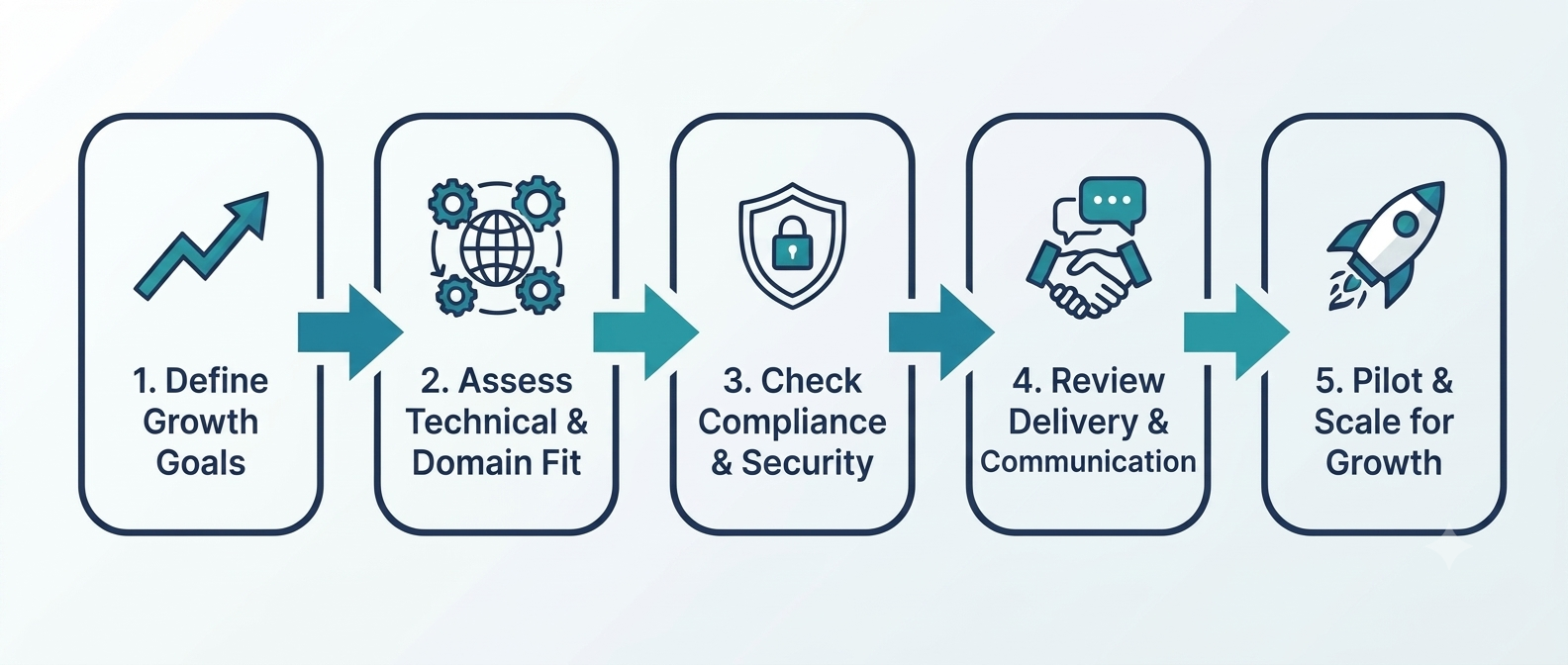
Finding the best software development services in Australia requires evaluating technical expertise, development processes, communication, scalability and long-term support.
Let's explore what Australian businesses should consider before investing in software development.
1. Understand Your Business Requirements Before Development
One of the most important steps in any software project is identifying the actual problem that needs to be solved.
Many businesses invest in software without clearly defining their requirements. This can result in unnecessary features, complicated workflows and additional development expenses.
Before starting a project, identify:
- Which business processes need improvement?
- What tasks are consuming too much employee time?
- Does your business need a web application, mobile application or internal software?
- How will the software interact with your existing systems?
- What features will be required as your business grows?
For example, an Australian retail company may need an inventory management platform, while a professional services business may require a client management system.
A clear requirement document helps developers understand the project's scope and recommend an appropriate technical approach.
2. Choose Software That Can Scale With Your Business
Business requirements change as companies expand. Software that works for a small team may struggle when the number of customers, transactions or employees increases.
Scalability should therefore be considered during the initial development stage.
A scalable software solution should support:
- Increasing numbers of users and transactions.
- Additional features and business modules.
- Growing databases and information requirements.
- Integration with new business applications.
- Improved processing capacity.
Cloud-based architecture, well-structured databases and modern development frameworks can help businesses prepare for future requirements.
Rather than rebuilding an application every time the business expands, companies should invest in a technical foundation that supports gradual improvements.
3. Evaluate the Development Company's Technical Expertise
Not every software development company specialises in the same technologies or project requirements.
Before selecting a development partner, review its technical capabilities and experience with relevant solutions.
Some important technologies and development areas include:
Frontend Development: React and Next.js can help create responsive and interactive user interfaces.
Backend Development: Node.js and Python can support application logic, data processing and server-side functionality.
Database Development: PostgreSQL and MongoDB can support different data storage and management requirements.
Cloud Infrastructure: AWS, Microsoft Azure and Google Cloud provide infrastructure options for deploying and scaling applications.
Mobile Development: Flutter and React Native can support cross-platform mobile application development.
Businesses should select technologies based on project requirements rather than choosing a framework simply because it is popular.
4. Prioritise Software Security and Data Protection
Security is a critical consideration for businesses handling customer information, financial records and confidential operational data.
A software application should be developed with security considerations integrated throughout its lifecycle.
Important security practices include:
- Secure user authentication and authorisation.
- Data encryption during transmission and storage.
- Regular security assessments.
- Access controls based on employee responsibilities.
- Database backups and recovery planning.
- Protection against common application vulnerabilities.
Australian businesses should also consider their applicable privacy and regulatory obligations when collecting and processing personal information.
Working with developers who understand secure coding practices can reduce avoidable risks and improve application reliability.
5. Consider Integration With Existing Business Systems
Many businesses already use accounting platforms, CRM applications, inventory tools and other digital systems.
Developing new software without considering these existing systems can create disconnected workflows and unnecessary manual work.
Software integration helps different applications exchange information and work together.
For example:
- An e-commerce platform can connect with inventory software to update product availability.
- Accounting software can receive transaction information automatically.
- CRM applications can share customer information with sales platforms.
- Reporting dashboards can collect information from multiple business systems.
Before development begins, identify the systems that need to communicate with the new application.
This helps developers plan appropriate APIs, database connections and integration workflows.
6. Understand the Development and Testing Process
A reliable development process helps businesses monitor progress, identify issues and maintain control over project requirements.
A structured software development lifecycle generally includes the following stages:
Requirement Analysis: Developers understand business objectives, users, features and technical requirements.
Planning and Architecture: The development team prepares the technical structure, technology stack and project roadmap.
UI/UX Design: Designers create layouts and user journeys that make the application easier to use.
Development: Developers build the frontend, backend, database and required functionalities.
Quality Assurance: The application is tested to identify functional errors, performance issues and security weaknesses.
Deployment: The completed application is prepared for launch and made available to users.
Maintenance: Updates, monitoring, bug fixes and improvements help maintain software performance.
Businesses should ask potential development partners how they manage testing, project updates and feedback throughout these stages.
7. Look for Long-Term Support and Maintenance
Software development does not end when an application goes live.
Applications require ongoing attention to remain secure, compatible and functional as business requirements change.
Without proper maintenance, businesses may experience outdated dependencies, performance problems, security vulnerabilities and compatibility issues.
A long-term support arrangement should cover:
- Bug identification and resolution.
- Software updates and improvements.
- Performance monitoring.
- Security updates.
- Database maintenance.
- Technical assistance.
- Feature enhancements.
Discussing maintenance expectations before development begins helps businesses plan their technology budgets more effectively.
How Mithila Softech Supports Business Technology Requirements
Mithila Softech works across software development, web development and mobile application development, helping businesses build technology solutions around their operational requirements.
Its development capabilities include custom software solutions, web applications, database development, cloud-native solutions and application development.
Businesses can explore the following services:
- Custom Software Development: Solutions designed around specific business processes and operational requirements.
- Web Application Development: Interactive applications, customer portals and business platforms.
- Mobile App Development: Cross-platform applications using Flutter and React Native.
- Software Testing: Functional, performance, API and security testing to improve application reliability.
- Software Integration: Connecting business applications and supporting efficient information exchange.
Explore Mithila Softech's software development solutions to understand its development capabilities.
Conclusion
Choosing a software development partner is an important business decision. Australian companies should evaluate technical expertise, security practices, scalability, development processes and ongoing support before starting a project.
The right technology investment can help businesses simplify operations, improve productivity, create better customer experiences and prepare for future opportunities.
Instead of focusing only on development costs, businesses should consider the long-term value, reliability and flexibility of the software they are investing in.
Mithila Softech helps businesses explore practical technology solutions through its software, web and mobile application development capabilities. Contact the team to discuss your project requirements and identify an appropriate development approach.
Frequently Asked Questions
1. What should businesses look for in a software development company in Australia?
Businesses should evaluate technical expertise, previous projects, development methodologies, communication, security practices, scalability and post-launch support. The development partner should understand the business requirements and provide a clear project roadmap.
2. How much does custom software development cost in Australia?
The cost depends on project complexity, required features, technology stack, integrations, development time and ongoing maintenance. A simple application generally requires a smaller investment than a complex enterprise platform.
3. How long does it take to develop custom business software?
Development timelines depend on the application's functionality, complexity, integrations and testing requirements. A basic application may take a few weeks or months, while larger enterprise solutions can require significantly longer.
4. Why is scalable software important for growing businesses?
Scalable software allows businesses to accommodate increasing users, transactions, data and operational requirements. It also makes future upgrades and feature additions easier without requiring a complete redevelopment.
5. Can software development companies provide ongoing maintenance?
Yes. Many development companies offer ongoing maintenance, bug fixes, security updates, performance monitoring and feature enhancements to keep applications functional and aligned with changing business requirements.
← Back to Blogs